Tell us about the job
Takes about a minute. No obligation.
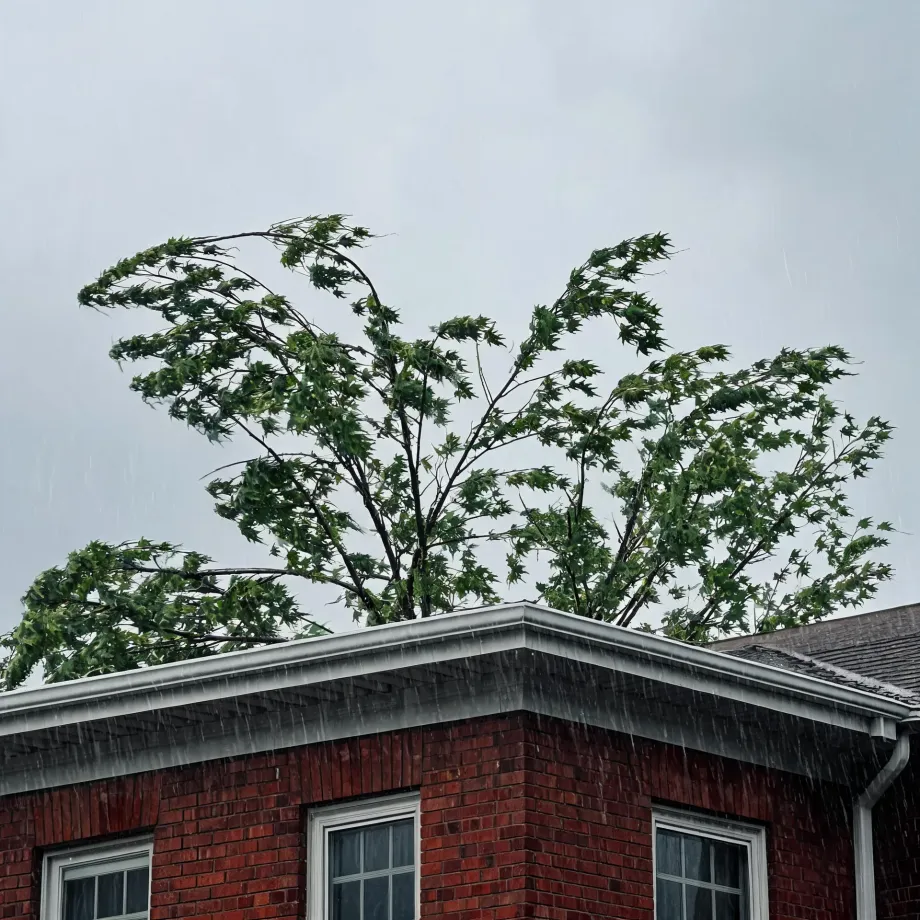
A water heater repair in this area usually comes down to what has happened inside the tank, not outside the house. 66 severe weather events were recorded in Dinwiddie County, Virginia between 2015 and 2024. At that rate, severe weather is an occasional event rather than a standing pressure on equipment, which means a contractor arriving at a troubled unit in Dinwiddie County is looking at anode rods, heating elements, thermostats, and years of mineral accumulation before anything else. The weather record does not account for a tank that stopped producing hot water.
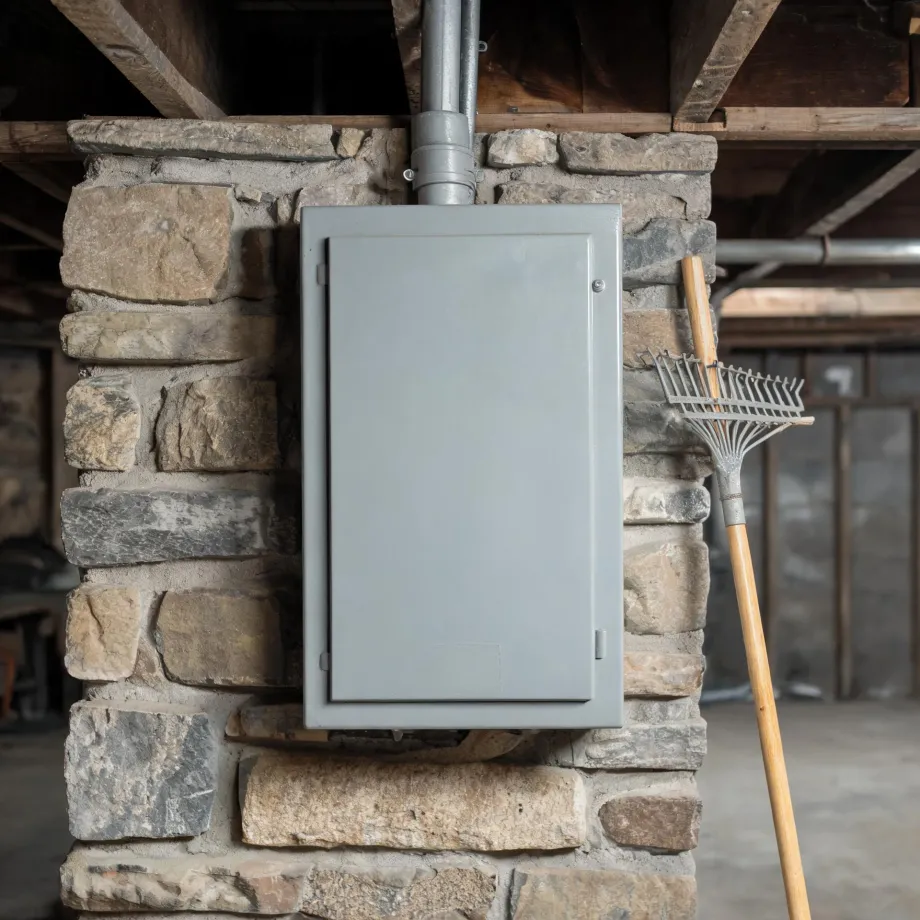
Water heater repairs in housing this old are shaped by what builds up inside the tank and along the supply lines over a long service life. Half the homes in Dinwiddie County, Virginia were built in 1987 or earlier (2020-2024 ACS 5-year). Sediment layers at the bottom of a tank, anode rods that have been spent for years, and corroded inlet connections are what a contractor opens the unit to find. Those conditions decide whether a repair is a straightforward element swap or whether the surrounding plumbing undoes it before the water cools. A unit sitting on degraded supply lines does not hold a repair the same way a clean system does.
The Parts of a Water Heater a Contractor Checks First
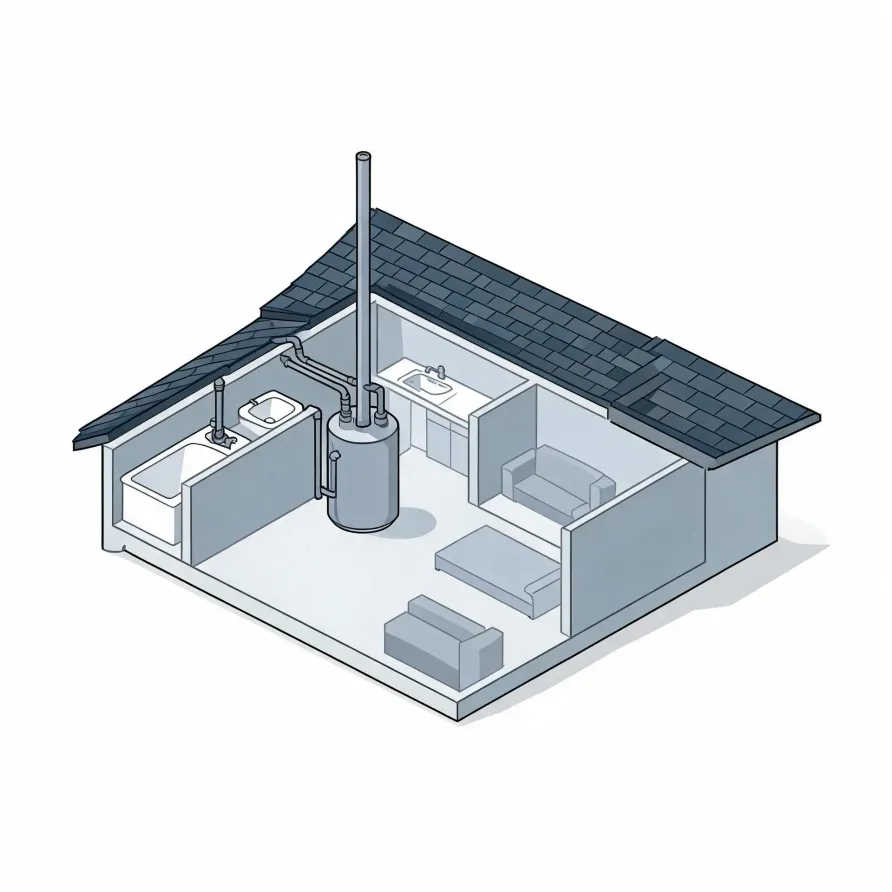
The tank is the piece a homeowner notices most readily, a large insulated vessel sitting in a utility room, basement, or garage that holds and heats a supply of water. Attached to the tank are the heating elements or burner assembly, depending on whether the unit runs on electricity or gas, and these are where a contractor looks when hot water stops arriving or arrives lukewarm.
The anode rod runs down through the tank and slows internal corrosion; when it degrades, the tank itself starts to go. The pressure relief valve mounts on the side of the tank and releases if pressure builds beyond a safe point. Supply and discharge pipes connect at the top, and a gas unit also has a flue that vents combustion gases out of the house.
The drawing shows a general layout of these parts, and a licensed contractor determines which of them applies to the specific unit and installation in your home.
Get matched in Dinwiddie CountyDinwiddie County, by the numbers
66 severe weather events were recorded in Dinwiddie County, Virginia between 2015 and 2024.
NOAA National Centers for Environmental Information, Storm Events Database, bulk CSV export, events 2015-01-01 through 2024-12-31.Half the homes in Dinwiddie County, Virginia were built in 1987 or earlier (2020-2024 ACS 5-year).
U.S. Census Bureau, 2020-2024 American Community Survey 5-Year EstimatesDinwiddie County, Virginia holds 11,982 housing units (2020-2024 ACS 5-year).
U.S. Census Bureau, 2020-2024 American Community Survey 5-Year EstimatesOwners occupy 79.6% of the occupied homes in Dinwiddie County, Virginia (2020-2024 ACS 5-year).
U.S. Census Bureau, 2020-2024 American Community Survey 5-Year EstimatesCodes & Standards Governing Water Heater Work in Dinwiddie County, Virginia2 sourced rules and standards
Licensing Rules for HVAC Work in Dinwiddie County, Virginia
Virginia’s contractor licence classes start above $1,000: the entry class covers a single contract or project over $1,000 but less than $30,000, or less than $250,000 of work in any 12-month period, with larger classes above that.
Virginia requires a contractor licence: no person may engage in, or offer to engage in, contracting work in the Commonwealth without one.
Severe Weather Events in Dinwiddie County
Extreme weather puts real strain on water heaters, forcing them to run harder and fail sooner. How much of that strain lands on equipment in Dinwiddie County shapes what repair work looks like here.
66 severe weather events, 2015–2024. Source: NOAA National Centers for Environmental Information, Storm Events Database.