Tell us about the job
Takes about a minute. No obligation.
A water heater that has stopped performing in Sussex County is almost certainly not a weather story. 50 severe weather events were recorded in Sussex County, Virginia between 2015 and 2024. At that rate, severe weather is an occasional event here, and most residential water heaters in the county have not carried a heavy storm load across their service life. A contractor sent out on a repair will look hard at the anode rod, the heating elements, sediment buildup, and the age of the tank itself, because those are what actually fail in this area. Weather is a reasonable first question to rule out, and in Sussex County it rules out fast.
Half the homes in Sussex County, Virginia were built in 1980 or earlier (2020-2024 ACS 5-year). A water heater old enough to match the house it sits in may run on parts that manufacturers have stopped producing or that now require a special order. When a contractor opens the unit, that supply question is what shapes the repair: whether the job is a straightforward fix or a conversation about replacement depends on what the system takes and whether those parts still exist in the market. Stock this old carries that variable into every call.
The Parts of a Water Heater a Contractor Checks First
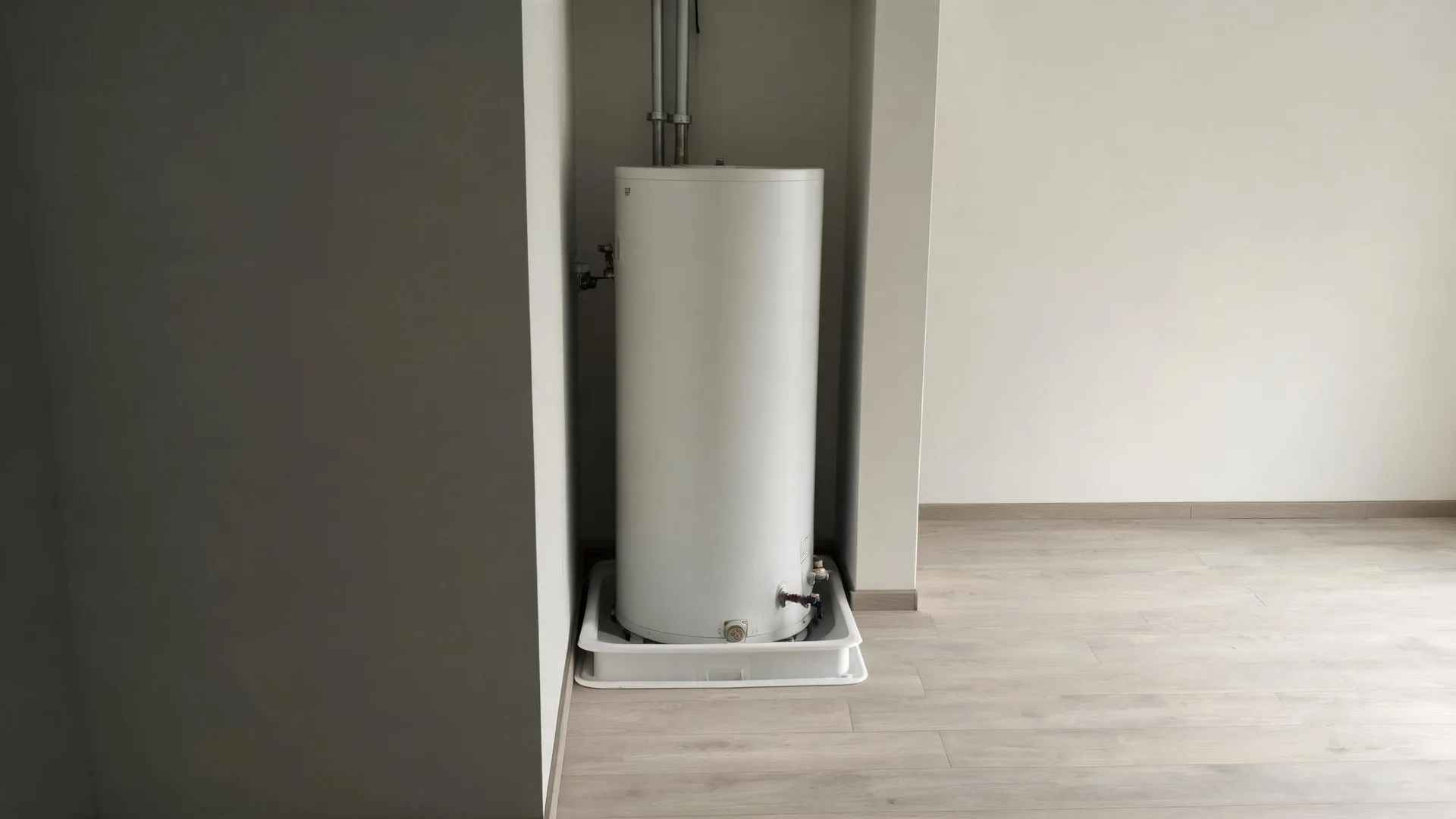
The tank is what most homeowners see, a steel cylinder sitting in a utility room, basement, or closet that holds and heats a standing supply of water. Inside it, a burner or heating element does the actual heating, and that is where a contractor looks when water comes out lukewarm or cold.
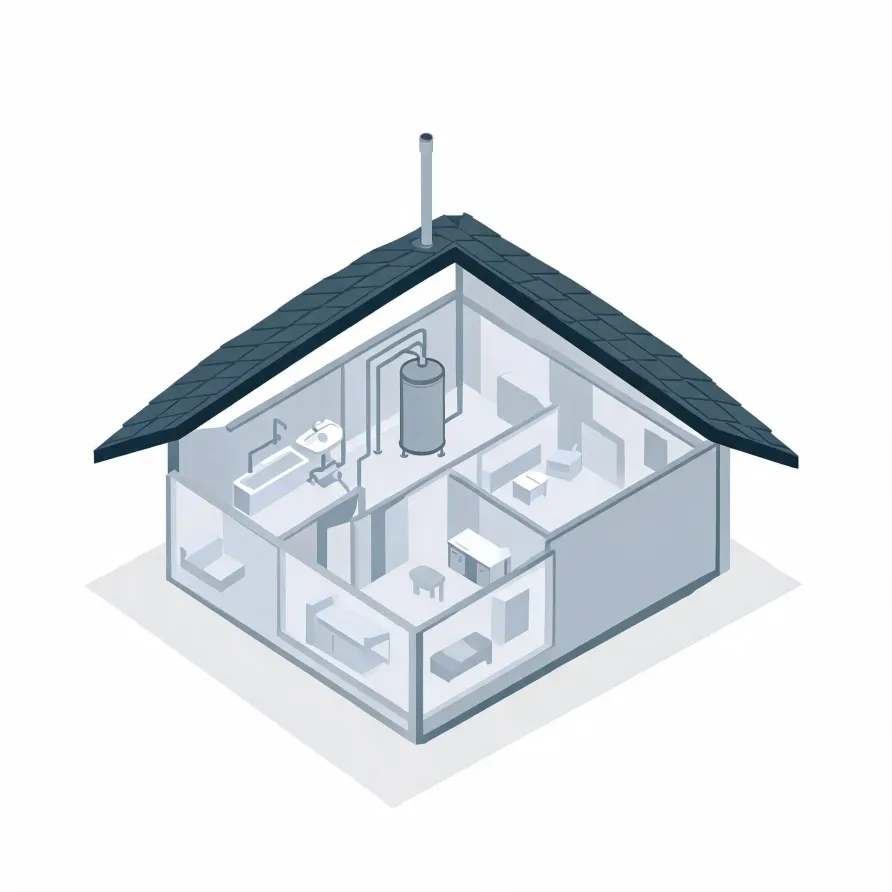
The anode rod runs down through the tank and slows corrosion from the inside out. Attached to the tank are the inlet and outlet pipes that carry cold water in and hot water out, a pressure relief valve that opens if internal pressure climbs too high, and a thermostat that tells the heating element when to fire.
The drawing shows a general layout of these components, and a licensed contractor determines which of them apply to the specific unit and installation in your home.
Get matched in Sussex CountySussex County, Virginia, by the numbers
50 severe weather events were recorded in Sussex County, Virginia between 2015 and 2024.
NOAA National Centers for Environmental Information, Storm Events Database, bulk CSV export, events 2015-01-01 through 2024-12-31.Half the homes in Sussex County, Virginia were built in 1980 or earlier (2020-2024 ACS 5-year).
U.S. Census Bureau, 2020-2024 American Community Survey 5-Year EstimatesSussex County, Virginia holds 4,706 housing units (2020-2024 ACS 5-year).
U.S. Census Bureau, 2020-2024 American Community Survey 5-Year EstimatesOwners occupy 69.7% of the occupied homes in Sussex County, Virginia (2020-2024 ACS 5-year).
U.S. Census Bureau, 2020-2024 American Community Survey 5-Year EstimatesCodes & Standards Governing Water Heater Repair in Sussex County, Virginia2 sourced rules and standards
Licensing Rules for HVAC Work in Sussex County, Virginia
Virginia’s contractor licence classes start above $1,000: the entry class covers a single contract or project over $1,000 but less than $30,000, or less than $250,000 of work in any 12-month period, with larger classes above that.
Virginia requires a contractor licence: no person may engage in, or offer to engage in, contracting work in the Commonwealth without one.
Weather That Works Against Water Heaters in Sussex County
Stress on a water heater comes from more than daily use. Storms, power surges, and hard temperature swings push the equipment harder and shorten the window before something fails, which makes repair demand in Sussex County a local pattern, not a random one.
50 severe weather events, 2015–2024. Source: NOAA National Centers for Environmental Information, Storm Events Database.