Tell us about the job
Takes about a minute. No obligation.
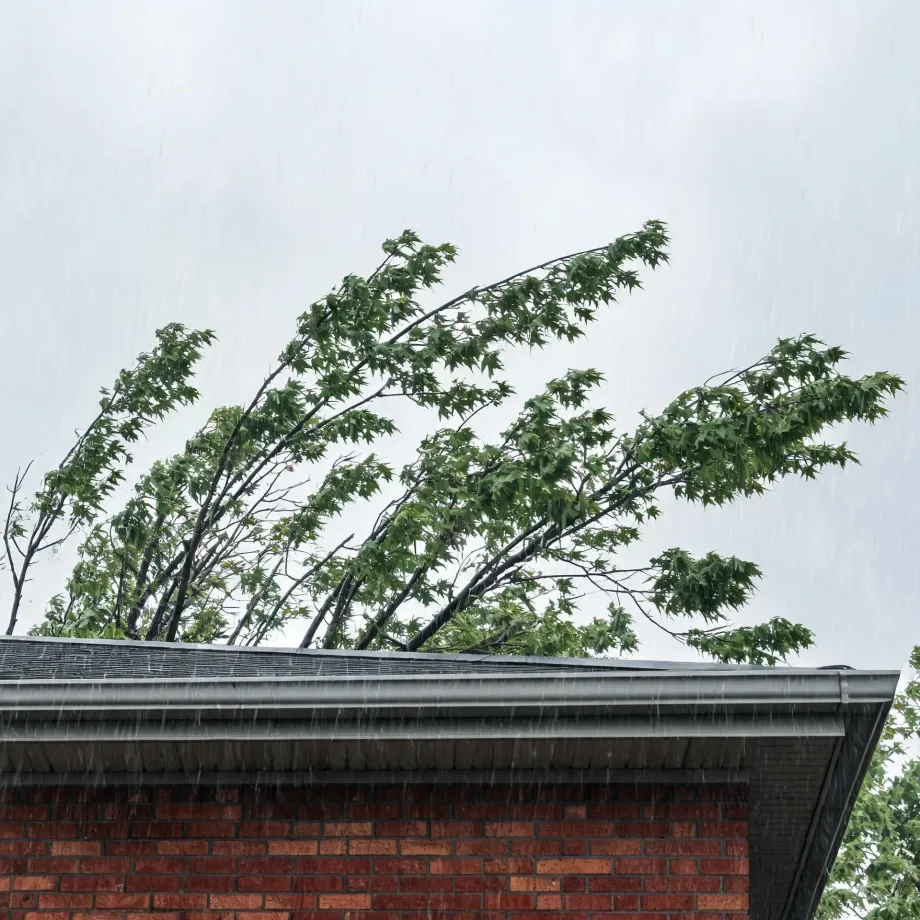
A contractor assessing a water heater repair in Richmond County has to account for what the system has been running against before settling on a cause. 97 severe weather events were recorded in Richmond County, Virginia between 2015 and 2024. At that rate, severe weather is a regular part of operating conditions here, and the stress it puts on components builds over time. Sediment accumulation, pressure valve wear, and heating element fatigue all move faster when a system is working against an environment that pushes it consistently. A quote that ignores that history will miss what drove the failure.
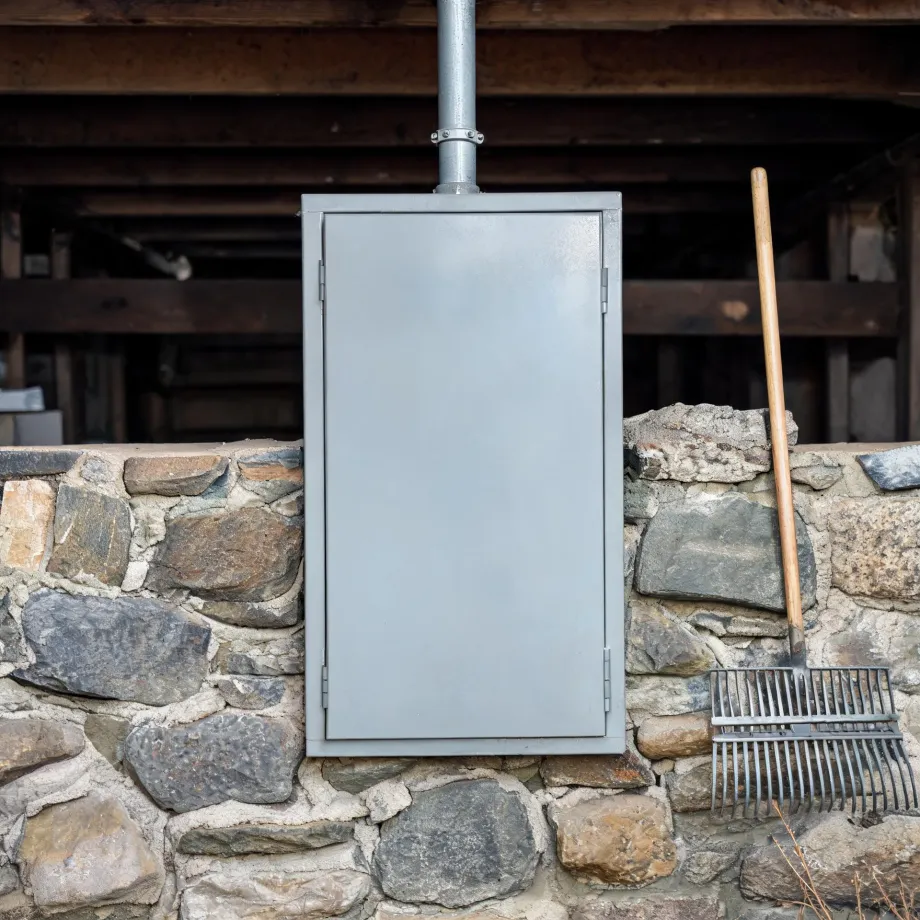
Half the homes in Richmond County, Virginia were built in 1978 or earlier (2020-2024 ACS 5-year). A water heater sitting in a house that old has likely outlasted one or two replacements already, and what a contractor finds when they open the access or pull the unit often has less to do with the heater itself than with what surrounds it: corroded supply connections, a pressure relief valve that has never been tested, or sediment packed into the tank bottom from decades of mineral-heavy water. Those conditions change the scope of the repair before a single part gets ordered.
The Parts of a Water Heater a Contractor Checks First
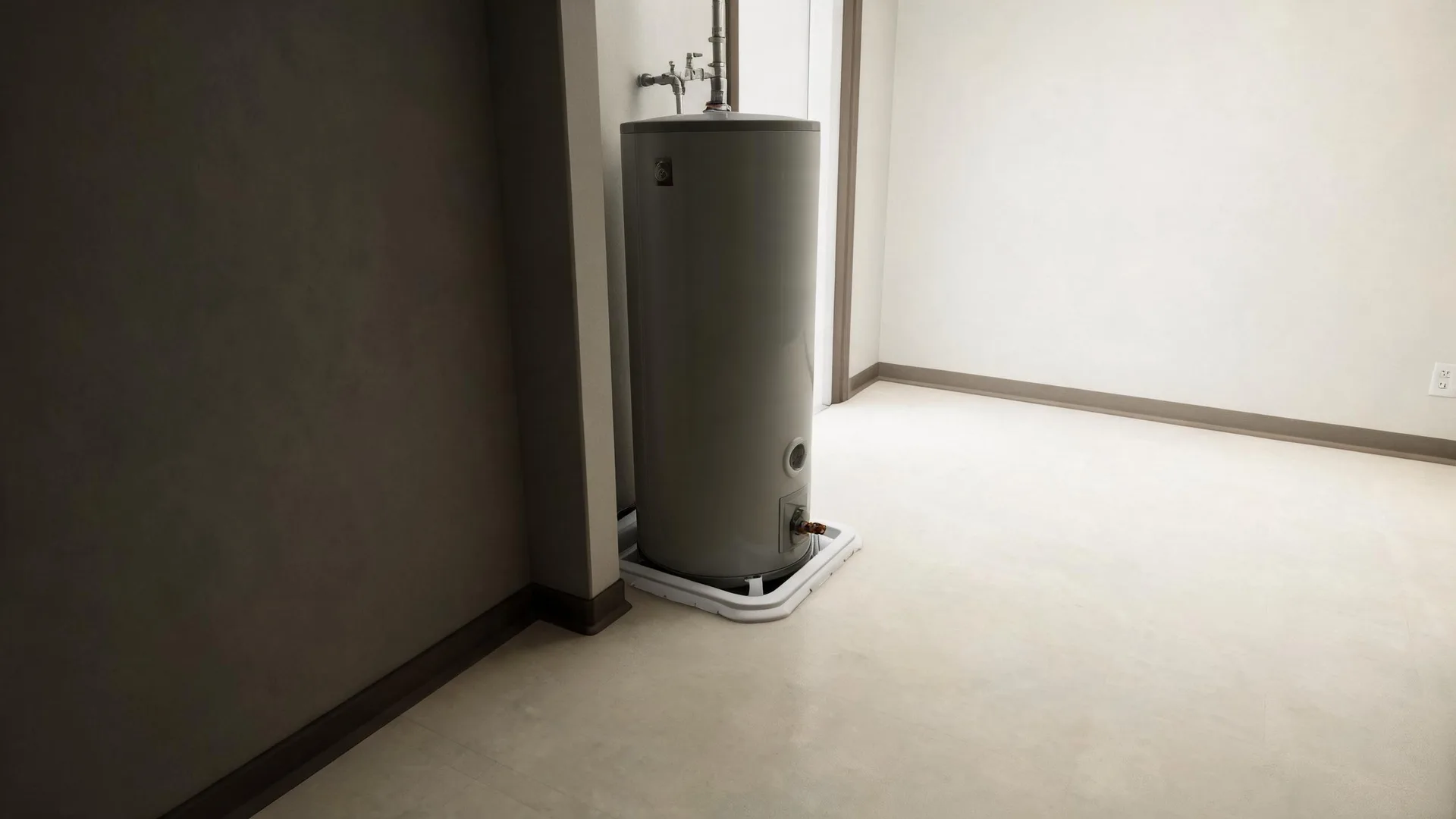
The tank is the piece a homeowner notices first, usually standing in a utility room, basement, or garage closet. It holds and heats the water the house draws on. When a water heater is in trouble, the tank itself, its lining, and its pressure relief valve are the first places a contractor looks, because a failure in any of them shows up fast.
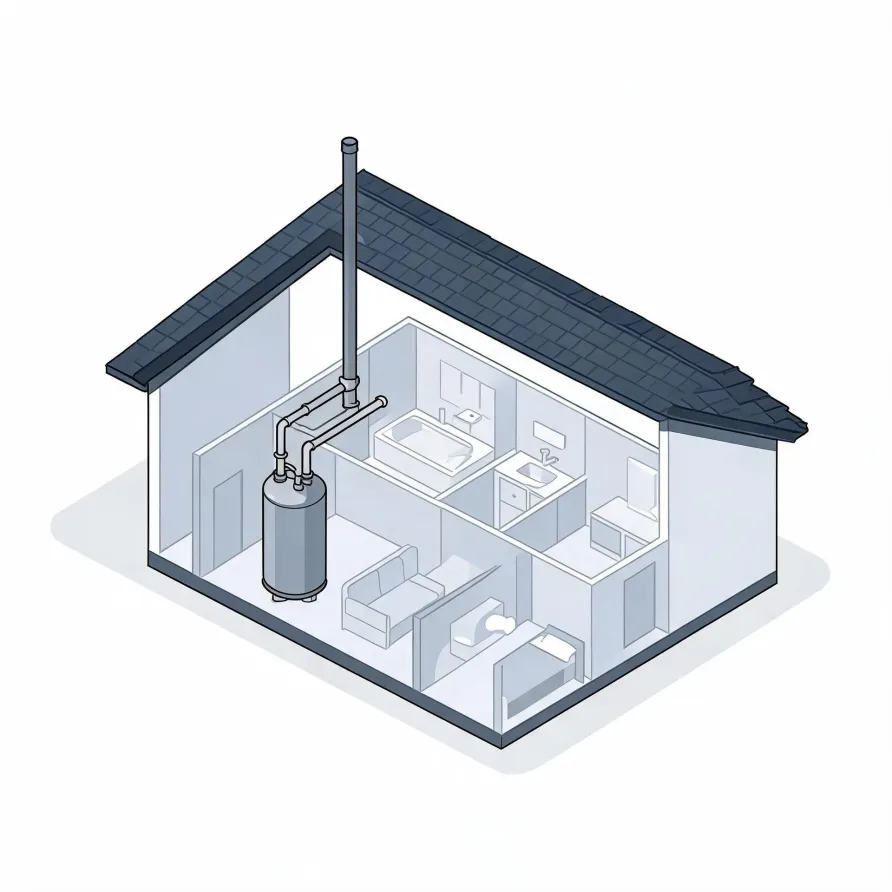
The burner assembly or heating element sits at the base or inside the tank depending on whether the unit runs on gas or electricity, and the thermostat rides alongside it to hold the water at the set temperature. The anode rod hangs inside the tank to slow corrosion. The inlet and outlet connections at the top of the unit carry cold water in and hot water out to the rest of the house.
The drawing shows the general layout of a water heater system, and a licensed contractor determines what applies to the specific unit and setup in your home.
Get matched in Richmond CountyRichmond County, Virginia, by the numbers
97 severe weather events were recorded in Richmond County, Virginia between 2015 and 2024.
NOAA National Centers for Environmental Information, Storm Events Database, bulk CSV export, events 2015-01-01 through 2024-12-31.Half the homes in Richmond County, Virginia were built in 1978 or earlier (2020-2024 ACS 5-year).
U.S. Census Bureau, 2020-2024 American Community Survey 5-Year EstimatesRichmond County, Virginia holds 3,970 housing units (2020-2024 ACS 5-year).
U.S. Census Bureau, 2020-2024 American Community Survey 5-Year EstimatesOwners occupy 74.7% of the occupied homes in Richmond County, Virginia (2020-2024 ACS 5-year).
U.S. Census Bureau, 2020-2024 American Community Survey 5-Year EstimatesWater Heater & HVAC Repair Rules on the Books for Richmond County, Virginia2 codes & standards
Licensing Rules for Contractors in Richmond County, Virginia
Virginia’s contractor licence classes start above $1,000: the entry class covers a single contract or project over $1,000 but less than $30,000, or less than $250,000 of work in any 12-month period, with larger classes above that.
Virginia requires a contractor licence: no person may engage in, or offer to engage in, contracting work in the Commonwealth without one.
Severe Weather Events in Richmond County
Extreme weather puts real stress on water heaters, forcing them to work harder and wear faster. How much of that pressure a unit faces depends on where it sits, and Richmond County has its own record.
97 severe weather events, 2015–2024. Source: NOAA National Centers for Environmental Information, Storm Events Database.