
Tell us about the job
Takes about a minute. No obligation.
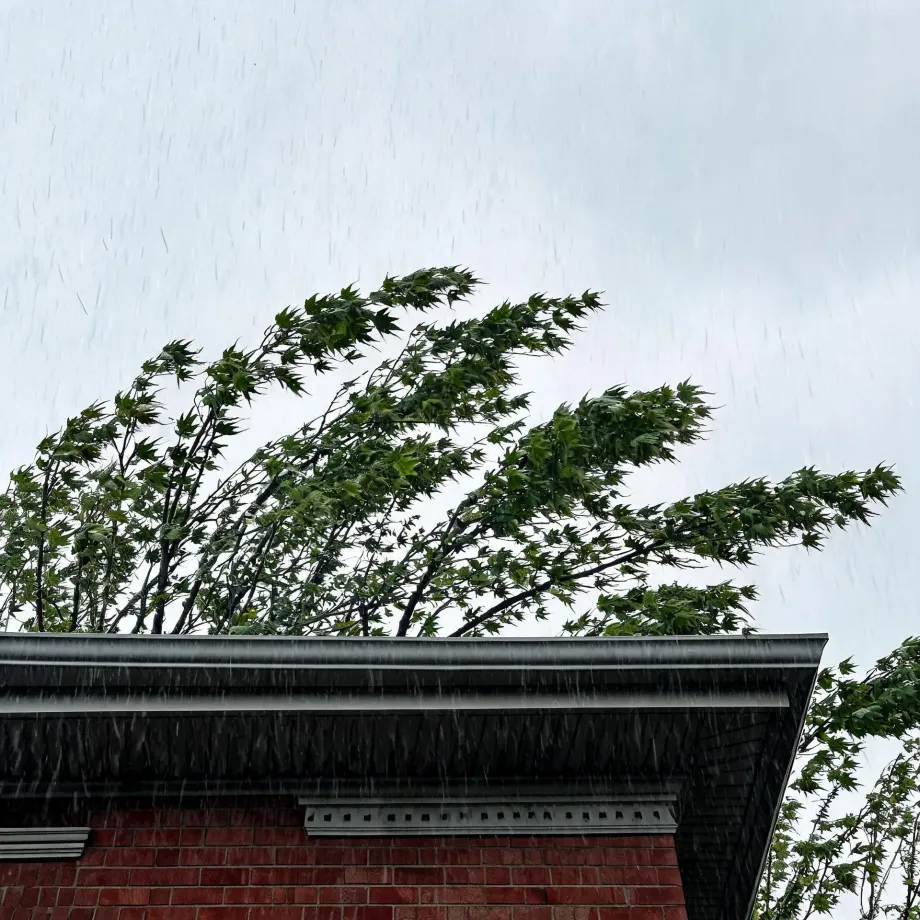
Sizing a water heater for a Campbell County home starts with what the system will actually run against. 218 severe weather events were recorded in Campbell County, Virginia between 2015 and 2024. At that rate, severe weather is a standing condition here, not an occasional disruption, and a contractor who ignores that installs to a spec the county will test. Sediment loads, pressure fluctuations, and recovery demands all shift when equipment operates under sustained stress. A contractor who quotes without accounting for that hands the homeowner a unit built for easier conditions.
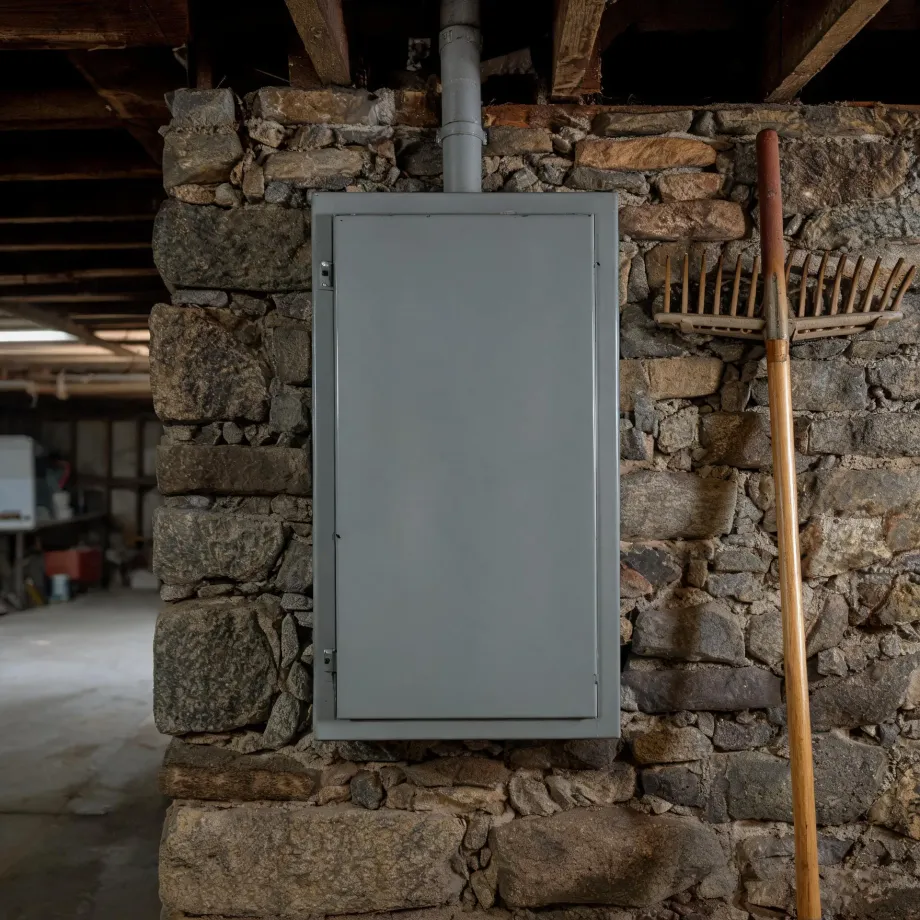
Ductwork and electrical service sized for the equipment of an earlier era can sit quietly in a house until a new water heater goes in and draws differently than what was there before. Half the homes in Campbell County, Virginia were built in 1982 or earlier (2020-2024 ACS 5-year). A contractor working through an installation here has to assess what the existing lines and panels will actually support before any other decision gets made. If the venting or the electrical run to the utility space falls short of what the new unit requires, that work gets scoped and priced before the equipment itself is ordered.
What a New Water Heater Installation Puts in Your Home
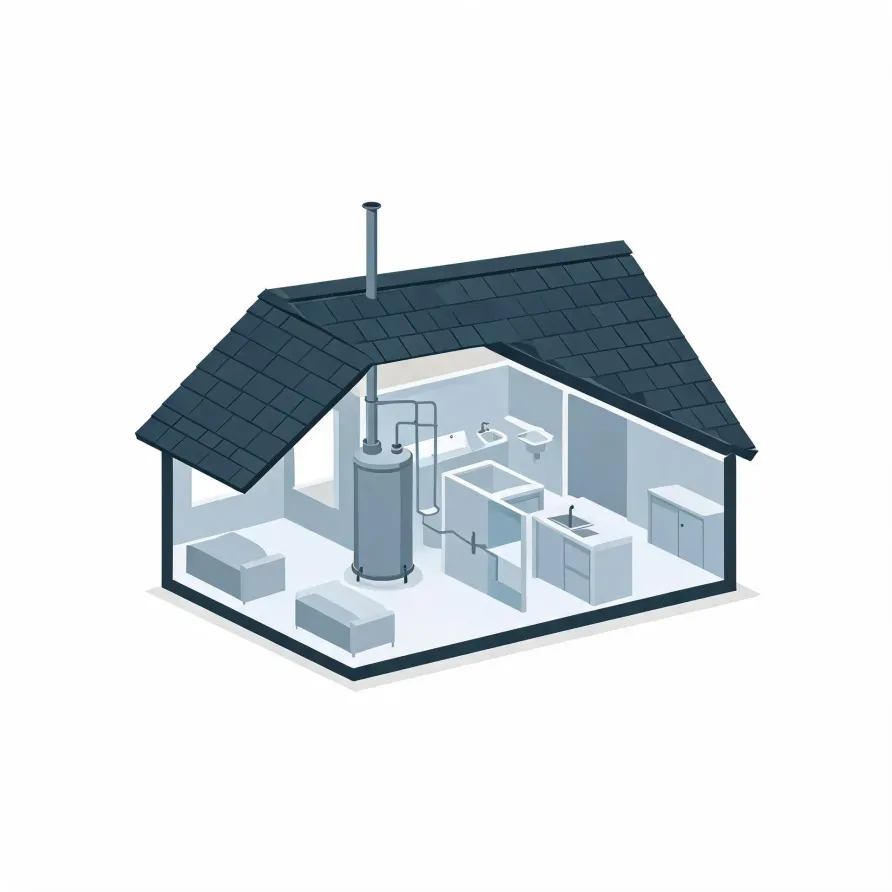
The tank is what most homeowners see first. It sits in a utility closet, basement, or garage and holds a ready supply of hot water. A relief valve mounts directly on the tank and releases pressure if it climbs past a safe point. The burner assembly or heating element sits inside or beneath the tank and is what actually heats the water.
Cold water enters through an inlet pipe at the top of the tank, and hot water leaves through a separate outlet pipe that feeds the rest of the house. A drain valve near the base gives a contractor access to flush sediment. The anode rod runs down through the interior and slows the corrosion that would otherwise shorten the tank's life.
The drawing shows a general layout of these components, and a licensed contractor determines what applies to the setup in your specific home.
Get matched in Campbell CountyCampbell County, by the numbers
218 severe weather events were recorded in Campbell County, Virginia between 2015 and 2024.
NOAA National Centers for Environmental Information, Storm Events Database, bulk CSV export, events 2015-01-01 through 2024-12-31.Half the homes in Campbell County, Virginia were built in 1982 or earlier (2020-2024 ACS 5-year).
U.S. Census Bureau, 2020-2024 American Community Survey 5-Year EstimatesCampbell County, Virginia holds 25,533 housing units (2020-2024 ACS 5-year).
U.S. Census Bureau, 2020-2024 American Community Survey 5-Year EstimatesOwners occupy 74.9% of the occupied homes in Campbell County, Virginia (2020-2024 ACS 5-year).
U.S. Census Bureau, 2020-2024 American Community Survey 5-Year EstimatesWater Heater Installation Rules for Campbell County, Virginia2 sourced standards and codes
Licensing Rules for Campbell County, Virginia
Virginia’s contractor licence classes start above $1,000: the entry class covers a single contract or project over $1,000 but less than $30,000, or less than $250,000 of work in any 12-month period, with larger classes above that.
Virginia requires a contractor licence: no person may engage in, or offer to engage in, contracting work in the Commonwealth without one.
Severe Weather History in Campbell County, Virginia
Water heaters work harder when outdoor conditions swing hard and fast. How often that happens here shapes what a contractor needs to account for when sizing and installing equipment in Campbell County.
218 severe weather events, 2015–2024. Source: NOAA National Centers for Environmental Information, Storm Events Database.